
Neurofeedback for Anxiety
Neurofeedback is a structured brain training approach designed to help support how the brain regulates stress response, emotional reactivity, and mental balance over time.
Improve your mental regulation
Reduces Mental Overactivity
Supports calmer thinking patterns and helps reduce repetitive or racing thoughts through structured training.
Supports Emotional Regulation
Helps the brain develop more stable responses to emotional and environmental triggers over time.
Improves Stress Response
Encourages a more balanced response to stress and supports reduced reactivity in daily situations.
Better Daily Functioning
Supports clearer thinking, improved focus, and more consistent mental performance in everyday life.
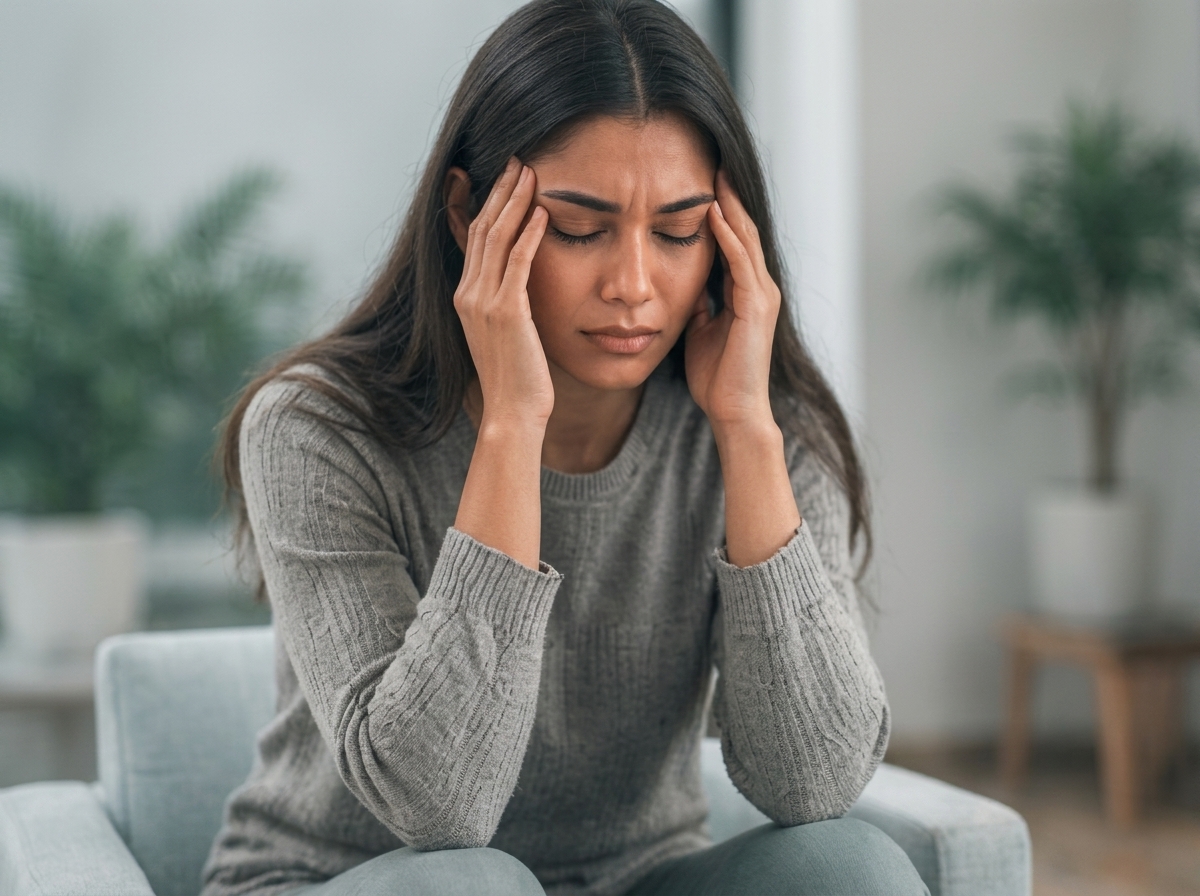
Ideal For People Who Experience
Neurofeedback is often explored by individuals experiencing ongoing anxiety-related patterns in daily life.
- Panic symptoms
- Social anxiety
- General anxiety
- Emotional sensitivity
- Stress irritability
- Overthinking worry
Your Neurofeedback Journey
Initial Assessment
We explore your current challenges, patterns, and goals to understand suitability for neurofeedback.
Personalised Plan
A structured training plan designed around your individual needs and focus areas.
Training Sessions
Regular sessions where real-time feedback supports gradual brain regulation training.
Progress Review
We track changes over time and refine your training plan as your brain adapts.
Start Your Brain Training Journey
Neurofeedback is a structured approach that supports focus, stress regulation, and overall mental performance over time.
How Neurofeedback Supports Sleep
Neurofeedback is a structured brain training approach that uses real-time feedback to support more regulated patterns associated with relaxation and sleep quality over time.
Sensors are gently placed on the scalp to observe brain activity in real time.
You receive real-time feedback based on your brain activity patterns.
Through repetition, the brain gradually adapts and develops more stable regulation patterns.
Over time, this process may support improved relaxation and more consistent sleep patterns.